
Back Surgery in Dallas, TX
When back or leg pain hasn't improved with physical therapy, medication or injections, back surgery may be the next step. Dr. Shaad Bidiwala, a board-certified neurosurgeon at Mockingbird Station in Dallas, uses minimally invasive techniques whenever possible, so most patients have smaller incisions and get back to daily life faster.
When Is Back Surgery the Right Choice?
Most back pain gets better without surgery. Dr. Bidiwala starts with conservative care and only recommends surgery when it's clearly the best path forward. Surgery may be worth considering if:
- Leg pain or sciatica hasn't improved after about 6 weeks of conservative treatment
- Numbness or weakness in your legs is getting worse
- Imaging shows a herniated disc, spinal stenosis or instability that matches your symptoms
- Pain keeps you from working, sleeping or walking normally
Loss of bowel or bladder control is an emergency. Call 911 or go to the nearest emergency room.
Conditions Treated
- Herniated Disc
- Sciatica
- Spinal Stenosis
- Spondylolisthesis
- Degenerative Disc Disease
- Compression Fracture
- Bone Spurs
Benefits of Back Surgery in Dallas, TX
Advanced techniques designed to optimize your recovery and outcomes.
Minimally Invasive Options
Smaller Incisions
Less Postoperative Pain
Faster Return to Daily Life
High Success Rates
Outpatient Procedures
Types of Back Surgery We Offer
Microdiscectomy
Removes the part of a herniated disc that's pressing on a nerve. It's usually an outpatient procedure and one of the most effective treatments for sciatica.
Learn moreLaminectomy
Removes a small piece of bone to make more room for the nerves. It's a common treatment for lumbar spinal stenosis.
Learn moreSpinal Decompression
Relieves pressure on the spinal cord or nerve roots caused by discs, bone spurs or thickened ligaments.
Learn moreSpinal Fusion
Joins two or more vertebrae to stabilize a painful or unstable segment of the spine, such as in spondylolisthesis.
Learn moreKyphoplasty
Stabilizes a painful compression fracture with a small balloon and bone cement. Many patients feel relief within a day or two.
Learn moreRevision Back Surgery
For patients who still have pain or new problems after a previous back surgery.
Learn moreWho is a Candidate?
Back surgery may be the right choice if conservative treatments like physical therapy, medication and injections haven't relieved your pain after about six weeks, and your imaging shows a clear, treatable problem. Dr. Bidiwala reviews your MRI and symptoms together to confirm surgery makes sense before you decide anything.
What Recovery Looks Like
Recovery depends on the procedure. After a microdiscectomy, most people walk the same day and return to desk work within 1 to 4 weeks. Fusion takes longer, and full recovery usually takes several months. Dr. Bidiwala will walk you through a realistic timeline for your specific surgery before you decide anything.
Procedure Overview
Consultation
Dr. Bidiwala reviews your history, symptoms and imaging at our Mockingbird Station office.
Imaging Review
We go over your MRI together so you understand exactly what's causing your pain.
Surgical Planning
If surgery is the right next step, Dr. Bidiwala recommends the least invasive option that fits your case.
Procedure
Surgery is performed at Baylor, Medical City Dallas or Methodist Hospital for Surgery in Addison.
Recovery
Most minimally invasive patients walk the same day and begin a guided recovery plan.
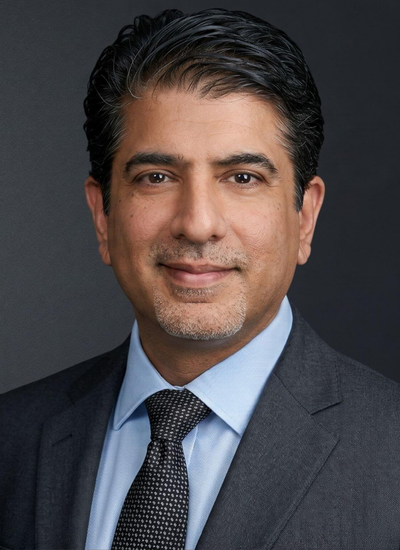
Why Dallas Patients Choose Dr. Shaad Bidiwala?
Dr. Bidiwala is a board-certified, fellowship-trained neurosurgeon who has treated Dallas patients since 2004. His peers have named him a D Magazine Best Doctor more than 15 times, and consumer group MPIRICA listed him as the only surgeon in Dallas with “Excellent” outcomes for both cervical and non-cervical spinal fusion.
- Board-Certified Neurosurgeon
- Minimally Invasive Specialist
- Thousands of Successful Procedures
- Patient-First Philosophy
Frequently Asked Questions
Related Conditions
Conditions This Treats
Herniated Disc
A herniated disc occurs when the soft inner core pushes through a tear in the tougher outer ring, irritating nearby nerves. We offer both conservative and minimally invasive surgical options to relieve the resulting pain, numbness, and weakness.
Learn MoreSciatica
Sciatica is pain that radiates along the path of the sciatic nerve, from the lower back through the hips and down each leg. It is usually caused by a herniated disc or bone spur compressing the nerve.
Learn MoreSpinal Stenosis
Spinal stenosis is a narrowing of the spaces within the spine that puts pressure on the nerves traveling through it. Treatment relieves the pain, numbness, and walking difficulty caused by this compression.
Learn MoreSpondylolisthesis
Spondylolisthesis occurs when one lower vertebra slips forward onto the bone beneath it, causing lower back pain and muscle tightness. Treatment ranges from conservative care to minimally invasive fusion.
Learn MoreDegenerative Disc Disease
Degenerative disc disease is the age-related wear of spinal discs that can cause painful flare-ups. While a natural part of aging, targeted treatment reduces discomfort and preserves spinal function.
Learn MoreBack Pain
From a dull, constant ache to sudden, sharp pain that limits movement, back pain is one of the most common reasons patients seek care. We diagnose the root cause to provide targeted, effective treatment.
Learn MoreSpinal Compression Fracture
A spinal compression fracture occurs when a weakened vertebra collapses, causing sudden back pain and loss of height. Most heal with conservative care, and kyphoplasty offers fast relief when they don't.
Learn MoreBack Surgery Near SMU and the Park Cities
Dr. Bidiwala sees back surgery patients at his office at Mockingbird Station, 6080 N Central Expy, Suite 150, just off US-75 across from SMU. Many of his patients come from University Park, Highland Park and Lakewood, and the office is easy to reach on the DART Red, Orange and Blue lines.
Ready to Find Relief?
Take the first step toward a pain-free life. Schedule your consultation with Dr. Bidiwala to discuss your treatment options.