

Minimally Invasive Spine Surgery in Texas
Experience less pain, smaller incisions, and a faster return to your daily life with our state-of-the-art minimally invasive spine surgery techniques.
Minimally Invasive Instrumentation (Screws and Rods)
In traditional open spine surgery, placing screws and rods to stabilize the spine requires a large incision and stripping the muscle extensively off the bone. This muscle dissection is often the primary cause of post-operative pain and longer recovery times.
At Texas Minimally Invasive Spine, Dr. Shaad Bidiwala utilizes advanced minimally invasive instrumentation techniques to achieve the exact same structural stability with a fraction of the tissue disruption. Using state-of-the-art intraoperative x-ray guidance (fluoroscopy) and specialized retractors, screws are placed precisely into the vertebrae through tiny incisions in the skin and muscle.
Once the screws are securely in place, a rod is carefully passed under the muscle to connect them. This innovative approach allows our spine care team to securely stabilize the spine while leaving the surrounding muscle attachments largely intact, drastically improving the patient's recovery experience.
Benefits of Minimally Invasive Spine Surgery in Texas
Advanced techniques designed to optimize your recovery and outcomes.
Significantly Reduced Muscle Dissection
Less Blood Loss During Surgery
Decreased Post-Operative Pain
Shorter Hospital Stay
Faster Return to Normal Activities
Same Structural Stability as Open Surgery
Who is a Candidate?
Dr. Bidiwala carefully evaluates each patient's condition to determine the most appropriate minimally invasive approach. Minimally invasive instrumentation is typically recommended for patients who require spinal stabilization (fusion) due to instability, deformity, or severe degeneration.
Ideal candidates include individuals suffering from conditions such as spondylolisthesis, recurrent disc herniations with instability, or advanced degenerative disc disease where conservative treatments have failed to provide relief. A comprehensive review of your medical history and imaging will confirm if this advanced technique is right for you.
Recovery & Results
Because the muscles are not stripped from the bone, patients undergoing minimally invasive instrumentation experience significantly less post-operative pain compared to traditional open fusion surgery. Many patients are able to walk within hours of the procedure and often have a shorter hospital stay.
Recovery is generally faster, allowing patients to return to their daily activities and work sooner. While you will still need to follow specific restrictions (such as avoiding heavy lifting, bending, and twisting) while the bone fuses, the immediate recovery phase is vastly improved. Dr. Bidiwala and our spine care team will provide a personalized recovery plan to ensure the best possible outcome.
Procedure Overview
Surgical Planning & Positioning
The procedure begins with precise positioning and the setup of advanced intraoperative imaging (fluoroscopy) to guide the surgery.
Targeted Incisions
Rather than a long midline incision, small, targeted incisions are made precisely over the affected vertebrae.
Screw Placement
Using real-time x-ray guidance and specialized instruments, screws are carefully inserted into the strong pedicle bone of the vertebrae through the muscle.
Rod Insertion
A contoured rod is passed beneath the muscle and skin to connect the screws, creating a rigid and stable construct.
Securing the Construct
The screws and rods are locked firmly in place, providing immediate stability to allow the spine to fuse properly over time.
The Old Way vs. The Minimally Invasive Way
Minimally invasive spine surgery aims to reduce tissue disruption, minimize recovery time, and improve patient outcomes compared to traditional open surgical approaches.
The Old Way
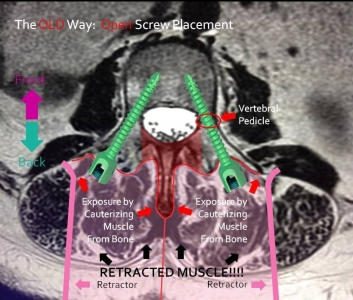
Traditional Exposure & Muscle Retraction
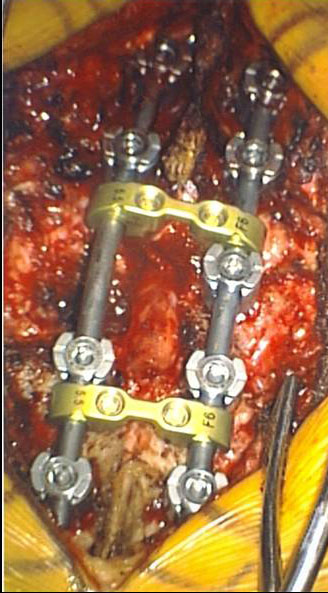
Larger Incisions & More Tissue Disruption

Extensive Tissue Dissection
The Minimally Invasive Way
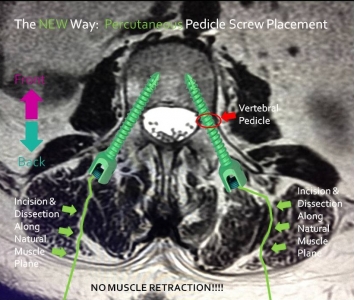
Targeted Access & No Muscle Retraction
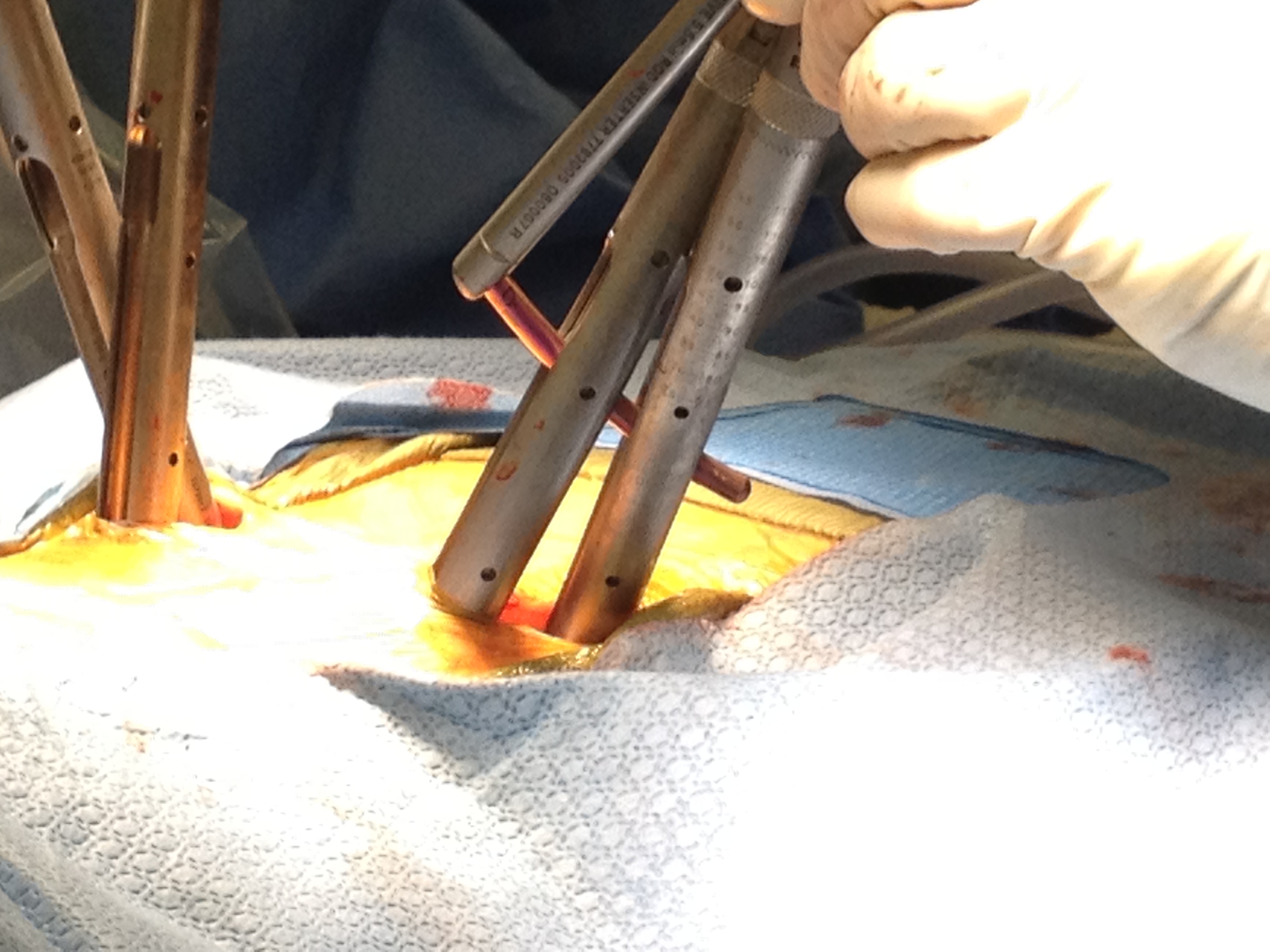
Smaller Incisions & Less Tissue Disruption

Targeted Access

Why Choose Dr. Shaad Bidiwala?
As a board-certified, fellowship-trained neurosurgeon with over 20 years of experience, Dr. Bidiwala specializes in complex and minimally invasive spine procedures. He has been voted by his peers as best doctor in D Magazine over 15 times, reflecting his commitment to exceptional patient outcomes and personalized care.
- Board-Certified Neurosurgeon
- Minimally Invasive Specialist
- Thousands of Successful Procedures
- Patient-First Philosophy
Frequently Asked Questions
Ready to Find Relief?
Take the first step toward a pain-free life. Schedule your consultation with Dr. Bidiwala to discuss your treatment options.